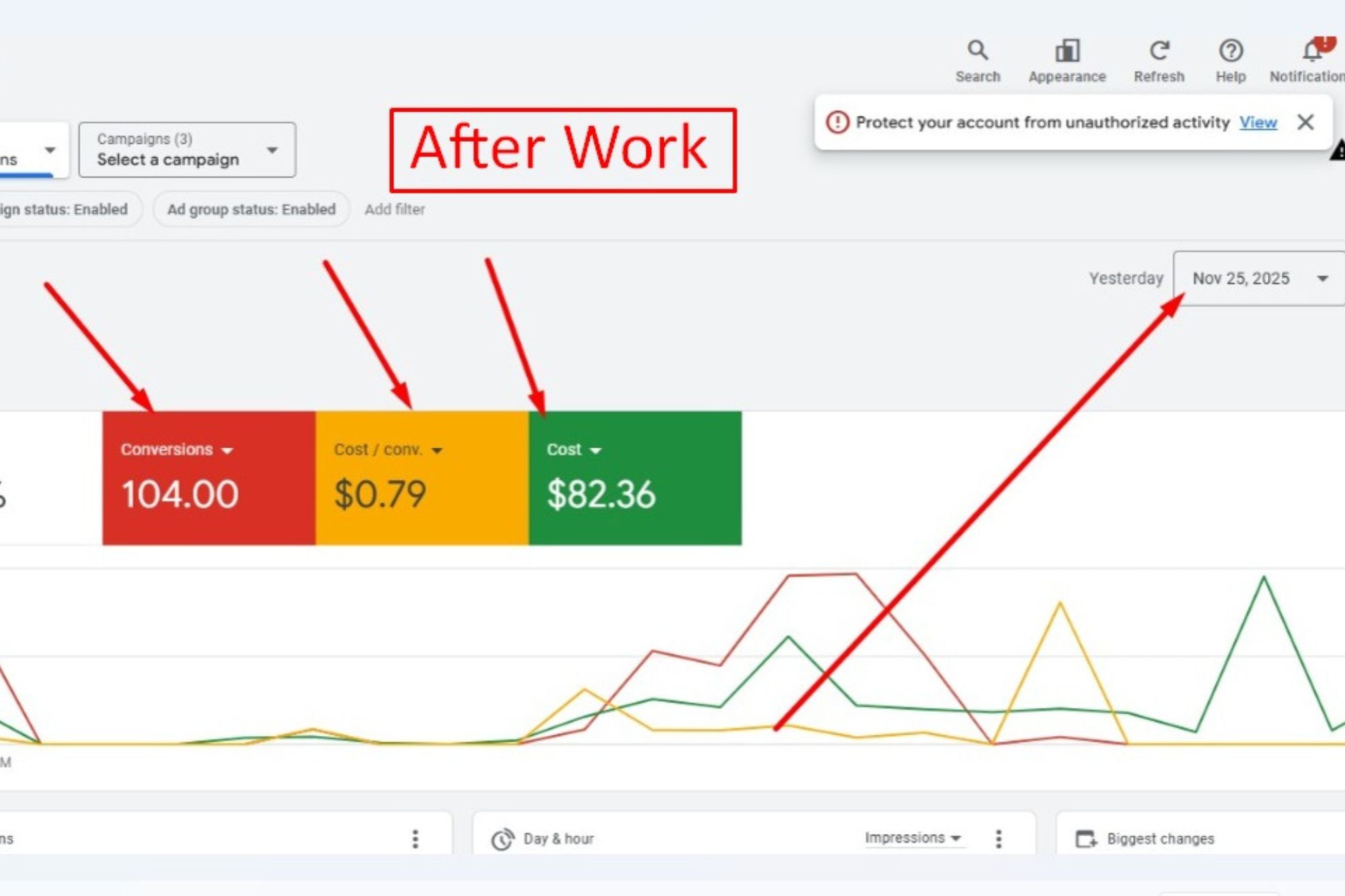
Google Ads is one of the most powerful platforms for driving high-intent traffic, leads, and sales. However, running ads without proper optimization can waste budget and deliver poor results. With the right optimization strategy, you can increase conversions, reduce cost per click, and maximize return on ad spend.
This guide explains proven Google Ads optimization methods to improve performance in 2026 and beyond.
What Is Google Ads Optimization?
Google Ads optimization is the process of improving campaign performance by refining keywords, bids, ad copy, landing pages, and audience targeting. The goal is to increase conversions while lowering costs and improving overall profitability.
Why Google Ads Optimization Matters
Without optimization, campaigns quickly become expensive and inefficient. Proper optimization helps you:
- Increase conversion rates
- Reduce cost per click (CPC)
- Lower cost per acquisition (CPA)
- Improve Quality Score
- Scale profitable campaigns with confidence
Step 1: Structure Campaigns for Maximum Performance
Use Themed Ad Groups
Group keywords by tightly related themes to improve relevance and Quality Score.
Separate Branded and Non-Branded Campaigns
Branded keywords usually convert cheaper, while non-branded keywords drive new customers. Separating them improves budget control and performance analysis.
Step 2: Perform Advanced Keyword Research
Focus on High-Intent Keywords
Target keywords with purchase or lead intent such as “hire,” “buy,” “near me,” or service-specific terms.
Use Match Types Strategically
- Exact match for high-intent keywords
- Phrase match for controlled reach
- Broad match with smart bidding for scaling
Add Negative Keywords
Exclude irrelevant searches to reduce wasted spend and improve conversion rates.
Step 3: Write High-Converting Ad Copy
Highlight Clear Benefits
Focus on what makes your offer unique, fast, affordable, or reliable.
Use Strong Call-to-Actions
Encourage users to take action with phrases like “Get a Free Quote,” “Book Now,” or “Contact Today.”
Leverage Ad Extensions
Use sitelinks, callouts, structured snippets, and call extensions to increase visibility and click-through rates.
Step 4: Optimize Landing Pages for Conversions
Traffic alone does not generate sales. Your landing page must convert visitors into customers.
Key Landing Page Elements
- Clear headline and value proposition
- Simple form or checkout process
- Trust signals, reviews, and testimonials
- Fast loading speed and mobile optimization
A strong landing page can double or triple your conversion rate.
Step 5: Use Smart Bidding and Budget Strategies
Smart Bidding Options
- Target CPA
- Target ROAS
- Maximize Conversions
- Maximize Conversion Value
Smart bidding uses machine learning to optimize bids based on user intent and behavior.
Budget Allocation
Allocate more budget to high-performing campaigns and reduce spend on low-performing segments.
Step 6: Track Conversions and Data Accurately
Set Up Conversion Tracking
Track form submissions, purchases, calls, and key actions using Google Tag Manager and Google Analytics.
Use Enhanced Conversions and First-Party Data
With privacy changes, first-party data tracking is essential for accurate performance measurement.
Data-driven decisions lead to consistent growth and lower acquisition costs.
Step 7: Continuous Testing and Optimization
A/B Test Ads
Test different headlines, descriptions, and calls-to-action.
Optimize Keywords and Bids
Increase bids on high-performing keywords and pause low-performing ones.
Analyze Search Terms Reports
Identify new keyword opportunities and add negative keywords regularly.
Optimization is not a one-time task. It is an ongoing process.
Advanced Google Ads Optimization Techniques
Use Remarketing Campaigns
Retarget users who visited your website but did not convert. Remarketing often delivers higher conversion rates at lower costs.
Leverage Audience Segments
Target in-market audiences, custom intent audiences, and customer match lists to reach high-intent users.
Optimize for Quality Score
Higher Quality Score reduces CPC and improves ad ranking. Focus on relevance, CTR, and landing page experience.
Common Google Ads Mistakes to Avoid
- Running campaigns without conversion tracking
- Using broad keywords without negatives
- Sending traffic to generic homepages
- Ignoring mobile optimization
- Not testing ad creatives and landing pages
Avoiding these mistakes can save budget and significantly improve results.
Google Ads Trends for 2026
Automation and Smart Campaigns
Automation will continue to grow, but manual strategy and structure remain critical for profitability.
Privacy-Focused Tracking
First-party data and server-side tracking will become standard.
Performance Max Campaigns
Integrated campaigns across Search, Display, YouTube, and Shopping will dominate scalable growth strategies.
Final Thoughts
Google Ads optimization is the key to profitable advertising. By improving campaign structure, targeting high-intent keywords, optimizing ads and landing pages, and continuously testing performance, you can increase conversions while lowering costs. A data-driven approach ensures scalable and predictable growth.
Need Professional Google Ads Optimization?
If you want to increase conversions, reduce ad costs, and scale your business with Google Ads, I can build and optimize a performance-driven campaign tailored to your goals.
Contact me today to start generating high-quality leads and sales with Google Ads.